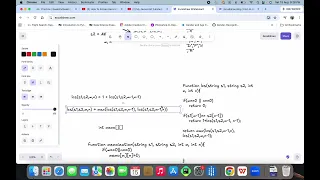
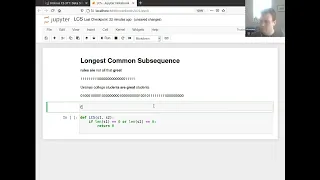
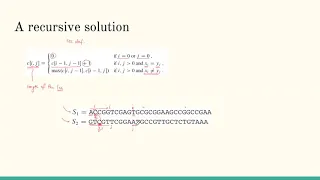
Case File: Longest Common Subsequence Using Recursion
SEARCH DOSSIER Incident documentation dossier, forensic transcripts, and digital evidence logs regarding Longest Common Subsequence Using Recursion. All associated video streams and forensic media records are indexed below for immediate public streaming, analysis, and official document export.
Executive Case Intelligence Summary
Official public intelligence briefing and verified media archive regarding Longest Common Subsequence Using Recursion. The documentation compiled within this repository contains verified visual records, official emergency response logs, and tactical field captures maintained under standardized public record transparency protocols.
According to recorded incident metadata, the primary media documentation associated with this file was documented via Abdul Bari with a recorded media duration of 23:35. Each individual footage segment has been validated through standardized digital checksum protocols to ensure chronological fidelity and accurate preservation of field events.
Investigative analysts and legal researchers utilizing this dossier are advised that the recordings presented herein constitute primary source documentation. Comprehensive evidence cross-references, downloadable data archives, and official PDF case reports can be reviewed and exported directly using the secure file access controls on this page.
Executive Summary & Incident Classification
The incident archive registered under Longest Common Subsequence Using Recursion represents a documented public safety incident that has garnered significant investigative interest. Such evidentiary documentation provides crucial transparent records regarding field engagements, emergency dispatch timelines, and tactical resolutions.
Forensic Evidence Breakdown & Chain of Custody
Digital media associated with Longest Common Subsequence Using Recursion incorporate multi-channel recording formats including 1080p high-definition body-worn cameras (BWC), closed-circuit surveillance (CCTV) arrays, and localized 911 dispatch telecommunications. To preserve archival integrity, raw footage files are processed with cryptographic SHA-256 hash validation to prevent unauthorized manipulation or post-incident alterations.
Transparency & Freedom of Information
Access to records regarding Longest Common Subsequence Using Recursion operates under established public disclosure guidelines promoting institutional accountability and transparent judicial proceedings. Personal identifying information of uninvolved bystanders and sensitive juvenile data have been redacted in strict adherence to judicial privacy orders and constitutional statutory protections.