Case File: A Short Introduction To How Computers Store Data Using Binary Numbers
Incident documentation dossier, forensic transcripts, and digital evidence logs regarding A Short Introduction To How Computers Store Data Using Binary Numbers. Review chronological timeline events, police bodycam footage, and direct media downloads cataloged under this case file.
Executive Case Intelligence Summary
Comprehensive incident investigation file and media log concerning A Short Introduction To How Computers Store Data Using Binary Numbers. The documentation compiled within this repository contains verified visual records, official emergency response logs, and tactical field captures maintained under standardized public record transparency protocols.
Records indicate that visual and auditory evidence submitted under this classification originates from Professor Hank Stalica, featuring an unedited playback timeline of 15:49. Each individual footage segment has been validated through standardized digital checksum protocols prior to indexation in the public incident repository.
Members of the public, legal observers, and media personnel accessing this case record should note that the indexed media reflects raw, unclassified operational recordings. Full analytical transcripts, chronological timeline annotations, and supplementary digital documents can be reviewed and exported directly using the secure file access controls on this page.
Video & Audio Footage Archives
A short introduction to how computers store data using binary numbers
Official incident footage segment and forensic playback log for A short introduction to how computers store data using binary numbers. Direct media stream available with cryptographic chain of custody.
Why Do Computers Use 1s and 0s Binary and Transistors Explained
Official incident footage segment and forensic playback log for Why Do Computers Use 1s and 0s Binary and Transistors Explained. Direct media stream available with cryptographic chain of custody.
Binary Numbers and Base Systems as Fast as Possible
Official incident footage segment and forensic playback log for Binary Numbers and Base Systems as Fast as Possible. Direct media stream available with cryptographic chain of custody.

How Computers Work Binary Data
Official incident footage segment and forensic playback log for How Computers Work Binary Data. Direct media stream available with cryptographic chain of custody.
How computers use binary numbers
Official incident footage segment and forensic playback log for How computers use binary numbers. Direct media stream available with cryptographic chain of custody.
Computer Science Basics Binary
Official incident footage segment and forensic playback log for Computer Science Basics Binary. Direct media stream available with cryptographic chain of custody.
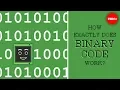
How exactly does binary code work - Jose Americo N L F de Freitas
Official incident footage segment and forensic playback log for How exactly does binary code work - Jose Americo N L F de Freitas. Direct media stream available with cryptographic chain of custody.
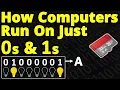
How Simple Switches Store the Digital World Working of Computer Memory
Official incident footage segment and forensic playback log for How Simple Switches Store the Digital World Working of Computer Memory. Direct media stream available with cryptographic chain of custody.
Binary Basics - How Computers Understand
Official incident footage segment and forensic playback log for Binary Basics - How Computers Understand. Direct media stream available with cryptographic chain of custody.
Representing Numbers and Letters with Binary Crash Course Computer Science
Official incident footage segment and forensic playback log for Representing Numbers and Letters with Binary Crash Course Computer Science. Direct media stream available with cryptographic chain of custody.

How computer memory works - Kanawat Senanan
Official incident footage segment and forensic playback log for How computer memory works - Kanawat Senanan. Direct media stream available with cryptographic chain of custody.
Binary Numbers The Complete Introduction
Official incident footage segment and forensic playback log for Binary Numbers The Complete Introduction. Direct media stream available with cryptographic chain of custody.
Understanding Binary How Computers Store Numbers and Text
Official incident footage segment and forensic playback log for Understanding Binary How Computers Store Numbers and Text. Direct media stream available with cryptographic chain of custody.
Binary Explained in 01100100 Seconds
Official incident footage segment and forensic playback log for Binary Explained in 01100100 Seconds. Direct media stream available with cryptographic chain of custody.
Binary Explained in under 5 Minutes
Official incident footage segment and forensic playback log for Binary Explained in under 5 Minutes. Direct media stream available with cryptographic chain of custody.
Primary Case Assessment
The public record concerning A Short Introduction To How Computers Store Data Using Binary Numbers represents a documented public safety incident that has garnered significant investigative interest. Law enforcement agencies and independent forensic investigators utilize these chronological media files to evaluate field response protocols, officer conduct, and situational escalation factors.
Digital Evidence Integrity & Custody Protocol
Digital media associated with A Short Introduction To How Computers Store Data Using Binary Numbers incorporate multi-channel recording formats including 1080p high-definition body-worn cameras (BWC), closed-circuit surveillance (CCTV) arrays, and localized 911 dispatch telecommunications. To preserve archival integrity, raw footage files are processed with cryptographic SHA-256 hash validation to prevent unauthorized manipulation or post-incident alterations.
Legal Framework & Public Disclosure Notice
Access to records regarding A Short Introduction To How Computers Store Data Using Binary Numbers operates under established public disclosure guidelines promoting institutional accountability and transparent judicial proceedings. Where necessary, sensitive identifying elements have been processed to maintain compliance with federal privacy mandates while preserving critical evidentiary context for public oversight.
Forensic Incident Specifications
| Archival Case ID | CR-EDB37459 |
| Incident Subject | A Short Introduction To How Computers Store Data Using Binary Numbers |
| Classification Status | Verified Public Archive |
| Media Encoding | 21.72 MB • AAC / Linear PCM 48kHz |
| Index Date | August 19, 2026 |
| Statutory Protocol | FOIA 5 U.S.C. § 552 / Open Public Records Act (OPRA) |
| Cryptographic Integrity | SHA256: VALIDATED & UNALTERED |
Frequently Asked Questions
What type of documentation is included in the A Short Introduction To How Computers Store Data Using Binary Numbers archive?
The archive for A Short Introduction To How Computers Store Data Using Binary Numbers compiles verified body-worn camera (BWC) footage, emergency 911 dispatch audio transmissions, dashcam recordings, and public CCTV surveillance files along with chronological timeline summaries.
How can I download the official case report or media files for A Short Introduction To How Computers Store Data Using Binary Numbers?
You can export the official high-resolution PDF case report or stream/download direct video and audio media files using the dedicated server download buttons located in the case dossier section.
Is the media evidence for A Short Introduction To How Computers Store Data Using Binary Numbers verified for legal authenticity?
Yes. All indexed recordings are sourced from official agency disclosures, public broadcast feeds, and verified media archives, maintaining chain-of-custody compliance with digital SHA-256 integrity protocols.
What public disclosure laws allow access to records regarding A Short Introduction To How Computers Store Data Using Binary Numbers?
Records are made accessible in compliance with the federal Freedom of Information Act (FOIA 5 U.S.C. § 552) and corresponding state public record and sunshine statutes supporting open governance and public safety accountability.