Case File: What Is Not Random
Comprehensive public records investigation file, law enforcement recordings, and verified media archive for What Is Not Random. All associated video streams and forensic media records are indexed below for immediate public streaming, analysis, and official document export.
Executive Case Intelligence Summary
Forensic documentation and digital evidence dossier for What Is Not Random. This case archive encompasses authenticated digital recordings, law enforcement bodycam footage, dispatch audio transmissions, and multi-angle surveillance feeds indexed directly from public broadcast networks and official transparency releases.
Records indicate that visual and auditory evidence submitted under this classification originates from Veritasium with a recorded media duration of 10:00. Each individual footage segment has been validated through standardized digital checksum protocols prior to indexation in the public incident repository.
Members of the public, legal observers, and media personnel accessing this case record should note that the recordings presented herein constitute primary source documentation. Full analytical transcripts, chronological timeline annotations, and supplementary digital documents can be reviewed and exported directly using the secure file access controls on this page.
Video & Audio Footage Archives
What is NOT Random
Official incident footage segment and forensic playback log for What is NOT Random. Direct media stream available with cryptographic chain of custody.

What is Random
Official incident footage segment and forensic playback log for What is Random. Direct media stream available with cryptographic chain of custody.
Quantum Physics Just Explained Why Coincidences Are Not Random
Official incident footage segment and forensic playback log for Quantum Physics Just Explained Why Coincidences Are Not Random. Direct media stream available with cryptographic chain of custody.
Why Quantum Mechanics Is Not Random Leonard Susskind
Official incident footage segment and forensic playback log for Why Quantum Mechanics Is Not Random Leonard Susskind. Direct media stream available with cryptographic chain of custody.

The Lost Science Of Luck It s Not Random
Official incident footage segment and forensic playback log for The Lost Science Of Luck It s Not Random. Direct media stream available with cryptographic chain of custody.
Don t fall into the determinism trap Everything is in fact random Lee Cronin
Official incident footage segment and forensic playback log for Don t fall into the determinism trap Everything is in fact random Lee Cronin. Direct media stream available with cryptographic chain of custody.

Nothing Is Truly Random Or Is It
Official incident footage segment and forensic playback log for Nothing Is Truly Random Or Is It. Direct media stream available with cryptographic chain of custody.

How hackers reverse Math random
Official incident footage segment and forensic playback log for How hackers reverse Math random. Direct media stream available with cryptographic chain of custody.
Varied Not Random How much fitness do you really need
Official incident footage segment and forensic playback log for Varied Not Random How much fitness do you really need. Direct media stream available with cryptographic chain of custody.

Why Random Numbers Aren t Random
Official incident footage segment and forensic playback log for Why Random Numbers Aren t Random. Direct media stream available with cryptographic chain of custody.
Prime Numbers Might Not Be Random After All
Official incident footage segment and forensic playback log for Prime Numbers Might Not Be Random After All. Direct media stream available with cryptographic chain of custody.

Is Anything Truly Random
Official incident footage segment and forensic playback log for Is Anything Truly Random. Direct media stream available with cryptographic chain of custody.
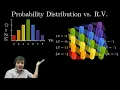
A Random Variable is NOT Random and NOT a Variable
Official incident footage segment and forensic playback log for A Random Variable is NOT Random and NOT a Variable. Direct media stream available with cryptographic chain of custody.

This is Not Random If You Found This Your Guides Have A Message Timeless PICK A CARD Reading
Official incident footage segment and forensic playback log for This is Not Random If You Found This Your Guides Have A Message Timeless PICK A CARD Reading. Direct media stream available with cryptographic chain of custody.
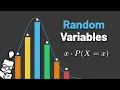
A Random Variable is Not Random and Not a Variable
Official incident footage segment and forensic playback log for A Random Variable is Not Random and Not a Variable. Direct media stream available with cryptographic chain of custody.
Primary Case Assessment
The public record concerning What Is Not Random documents an active investigative case file containing critical audio-visual evidence. Such evidentiary documentation provides crucial transparent records regarding field engagements, emergency dispatch timelines, and tactical resolutions.
Forensic Evidence Breakdown & Chain of Custody
Digital media associated with What Is Not Random incorporate multi-channel recording formats including 1080p high-definition body-worn cameras (BWC), closed-circuit surveillance (CCTV) arrays, and localized 911 dispatch telecommunications. Each media file complies with open-source intelligence (OSINT) and legal discovery standards for digital record authenticity.
Legal Framework & Public Disclosure Notice
The distribution of documentation for What Is Not Random operates under established public disclosure guidelines promoting institutional accountability and transparent judicial proceedings. Where necessary, sensitive identifying elements have been processed to maintain compliance with federal privacy mandates while preserving critical evidentiary context for public oversight.
Forensic Incident Specifications
| Archival Case ID | CR-1DAA3569 |
| Incident Subject | What Is Not Random |
| Classification Status | Verified Public Archive |
| Media Encoding | 13.73 MB • AAC / Linear PCM 48kHz |
| Index Date | August 17, 2026 |
| Statutory Protocol | FOIA 5 U.S.C. § 552 / Open Public Records Act (OPRA) |
| Cryptographic Integrity | SHA256: VALIDATED & UNALTERED |
Frequently Asked Questions
What type of documentation is included in the What Is Not Random archive?
The archive for What Is Not Random compiles verified body-worn camera (BWC) footage, emergency 911 dispatch audio transmissions, dashcam recordings, and public CCTV surveillance files along with chronological timeline summaries.
How can I download the official case report or media files for What Is Not Random?
You can export the official high-resolution PDF case report or stream/download direct video and audio media files using the dedicated server download buttons located in the case dossier section.
Is the media evidence for What Is Not Random verified for legal authenticity?
Yes. All indexed recordings are sourced from official agency disclosures, public broadcast feeds, and verified media archives, maintaining chain-of-custody compliance with digital SHA-256 integrity protocols.
What public disclosure laws allow access to records regarding What Is Not Random?
Records are made accessible in compliance with the federal Freedom of Information Act (FOIA 5 U.S.C. § 552) and corresponding state public record and sunshine statutes supporting open governance and public safety accountability.